 WOVEN PLATEAU
Bringing the Plateau Home
A Tibetan carpet does not demand that your home look like a monastery. It asks only that you give it a place to belong — a corner of stillness, a zone of warmth, a surface that invites the body to rest.
June 2026 · 4 min read
The Khaden: A Personal Island
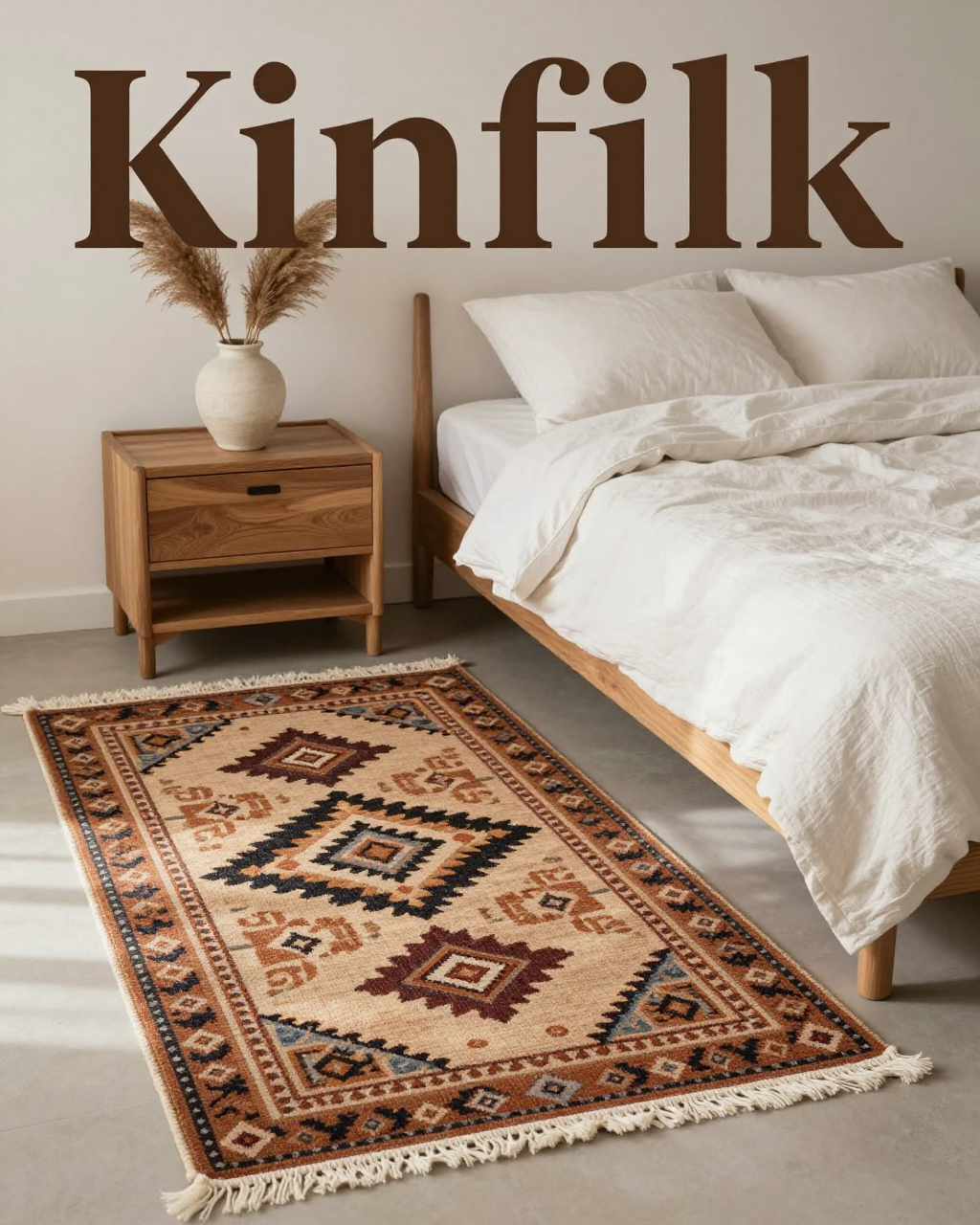
The khaden — the body-scale sitting rug — is perhaps the easiest Tibetan textile to incorporate into a modern home. Its proportions (roughly 80 × 160 cm) are inherently versatile, and its purpose — to define a place for the body — translates directly to contemporary life.
- Reading Nook: Place a khaden by a window with floor cushions. The rug defines the space; the cushions invite lounging. Natural light brings out the depth of naturally dyed colors.
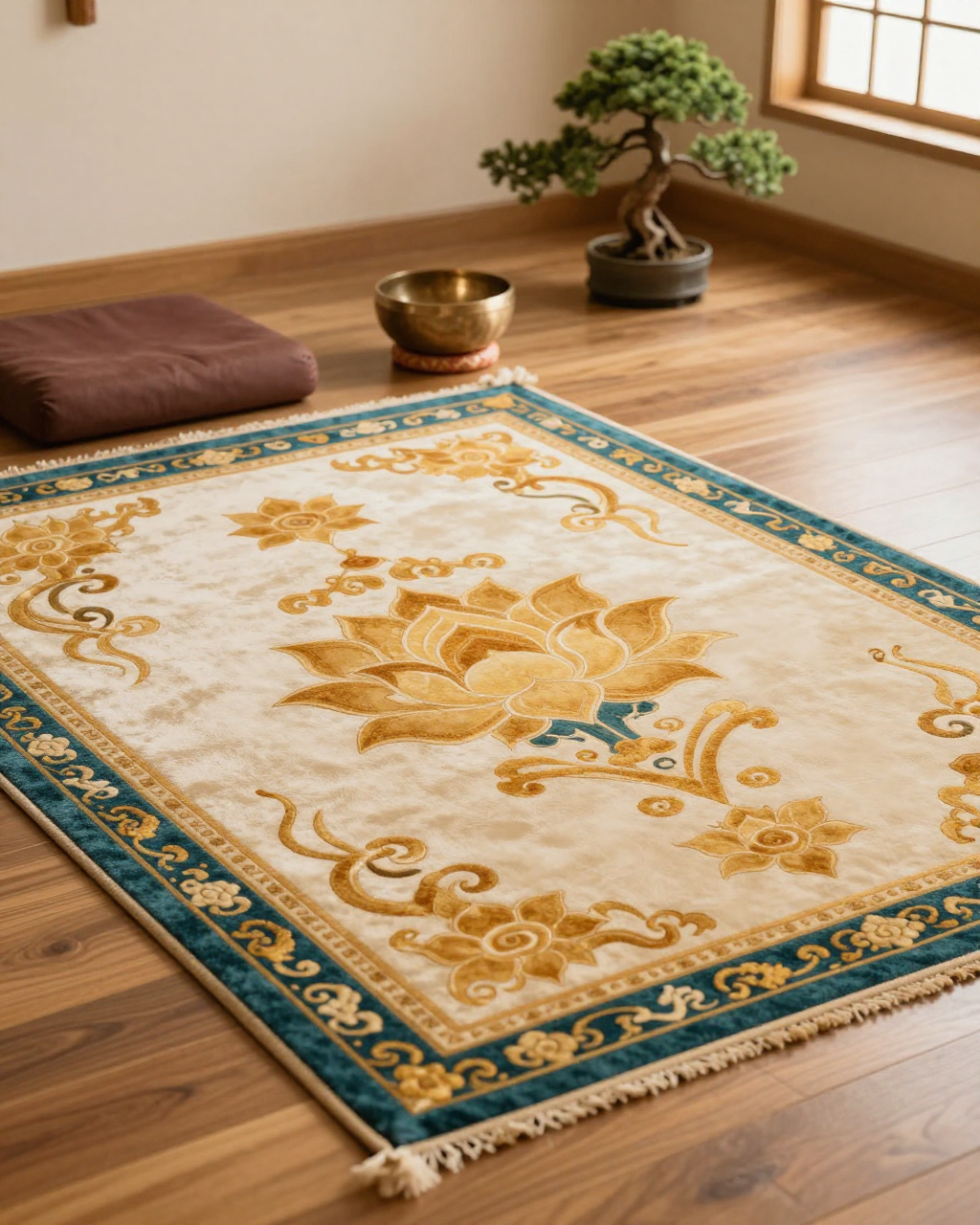
- Meditation Corner: A khaden creates a warm, tactile boundary for practice. The wool's natural insulation makes sitting on the floor comfortable even in cooler climates.
- Bedside Warmth: Lay a khaden beside a low platform bed. It extends the sleeping surface to the floor and provides a soft landing for bare feet in the morning.
- Tea Room Accent: In spaces where guests sit close to the ground, a khaden defines the gathering point. Its patterns become a natural conversation starter.
Temple Runners: Long Lines of Color
Temple runners — long, narrow carpets originally made for monastery assembly halls — work beautifully in modern corridors, beside a long dining table, or as a striking visual axis in an open-plan space. Their elongated proportions create a strong directional line that can define zones within larger rooms.
Design Principles
Tibetan carpets work best when they are allowed to be what they are — not camouflaged into a neutral interior but given space to speak. A few principles:
- Let the carpet lead. A Tibetan carpet has strong visual presence. Build the surrounding palette around its colors rather than competing with them. Warm woods, natural linens, and muted walls let the carpet's colors breathe.
- Embrace texture contrast. The dense, tactile surface of a hand-knotted wool carpet gains impact when contrasted with smooth surfaces — polished concrete, glass, lacquered wood.
- Honor the orientation. Tibetan carpets have a top and bottom, a directional flow. Dragons face forward; borders frame the composition. Place the carpet so its design makes sense from the primary viewing angle.
- Create a destination. Unlike conventional rugs that fill floor space, Tibetan carpets — especially khaden — create destinations. Give them breathing room rather than crowding them with furniture.
More Than Decoration
A Tibetan carpet in a modern home does more than decorate. It introduces a different way of relating to the floor — not as empty space to be filled but as a surface to be inhabited. It invites you to sit down. In a culture that spends most of its time in chairs, at desks, on the move, the carpet's quiet invitation — rest here, stay awhile — is perhaps its most valuable offering.